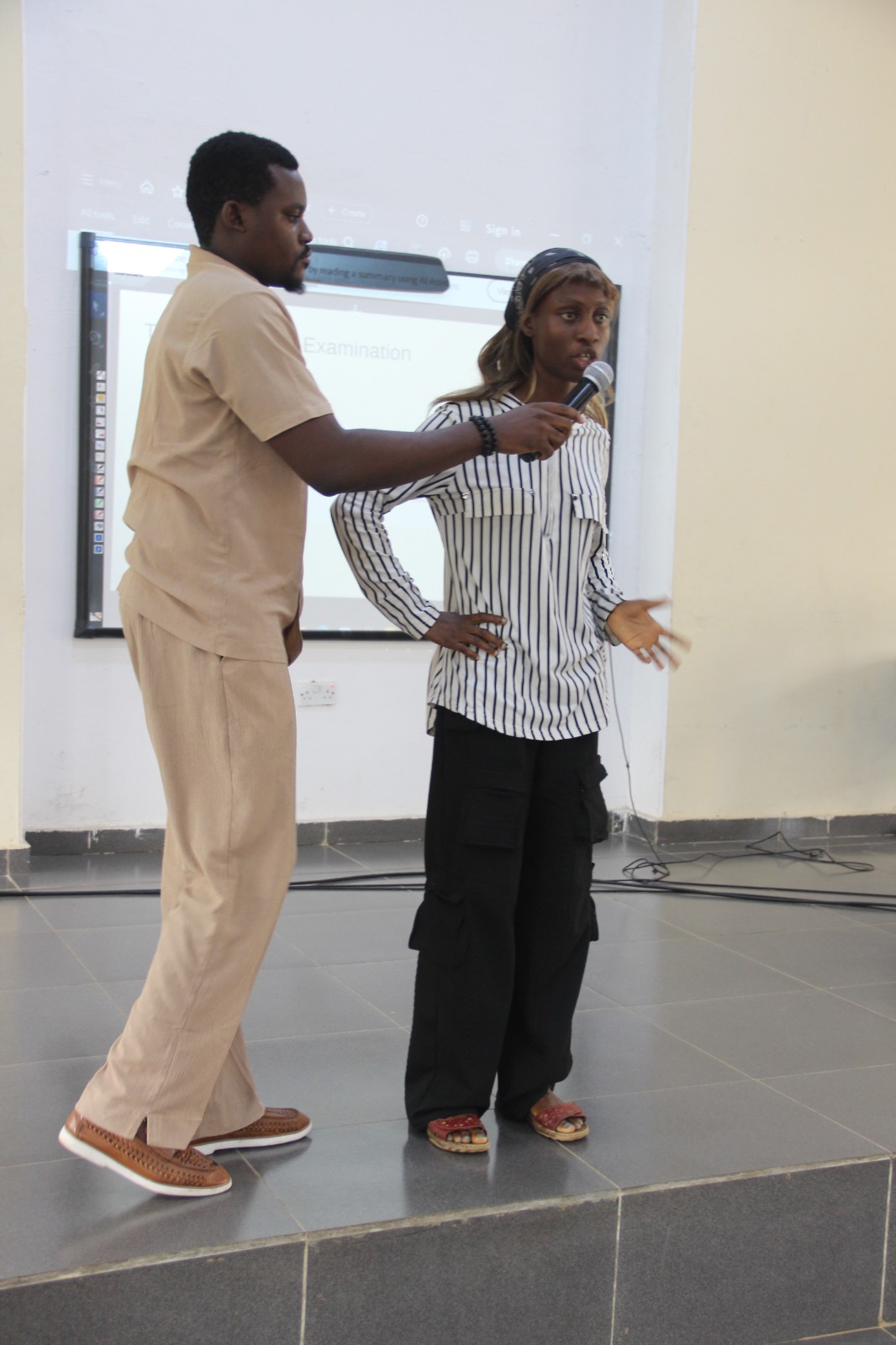
ELIZADE UNIVERSITY TRAINS STAFF, STUDENTS, HOST COMMUNITY ON EMERGENCY RESPONSE, DIGITAL HEALTH
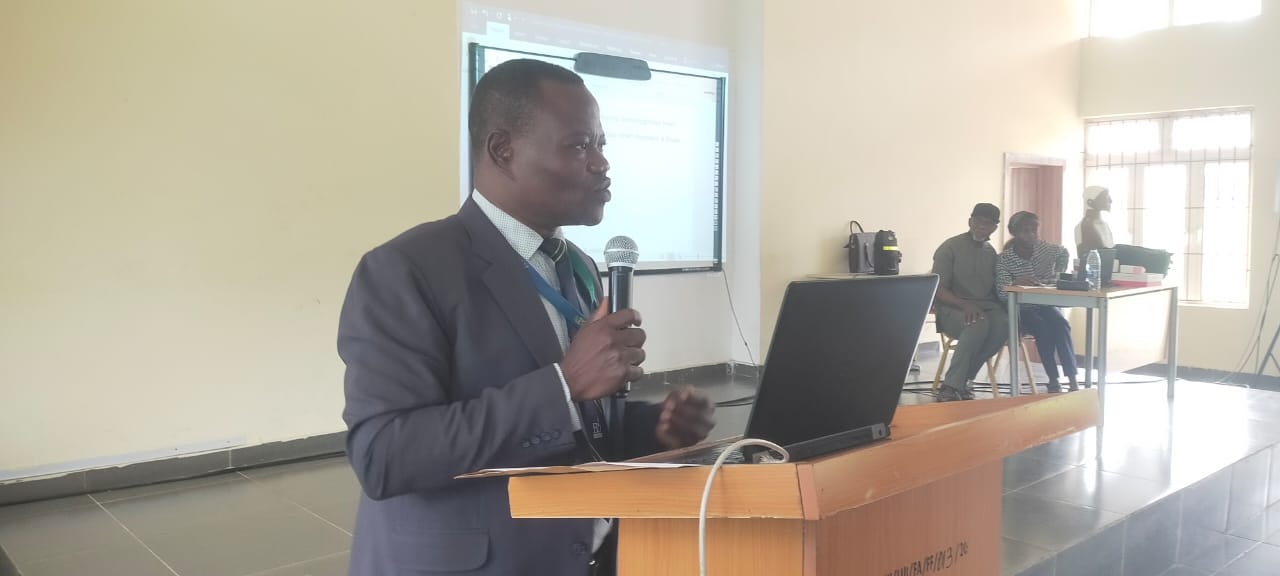
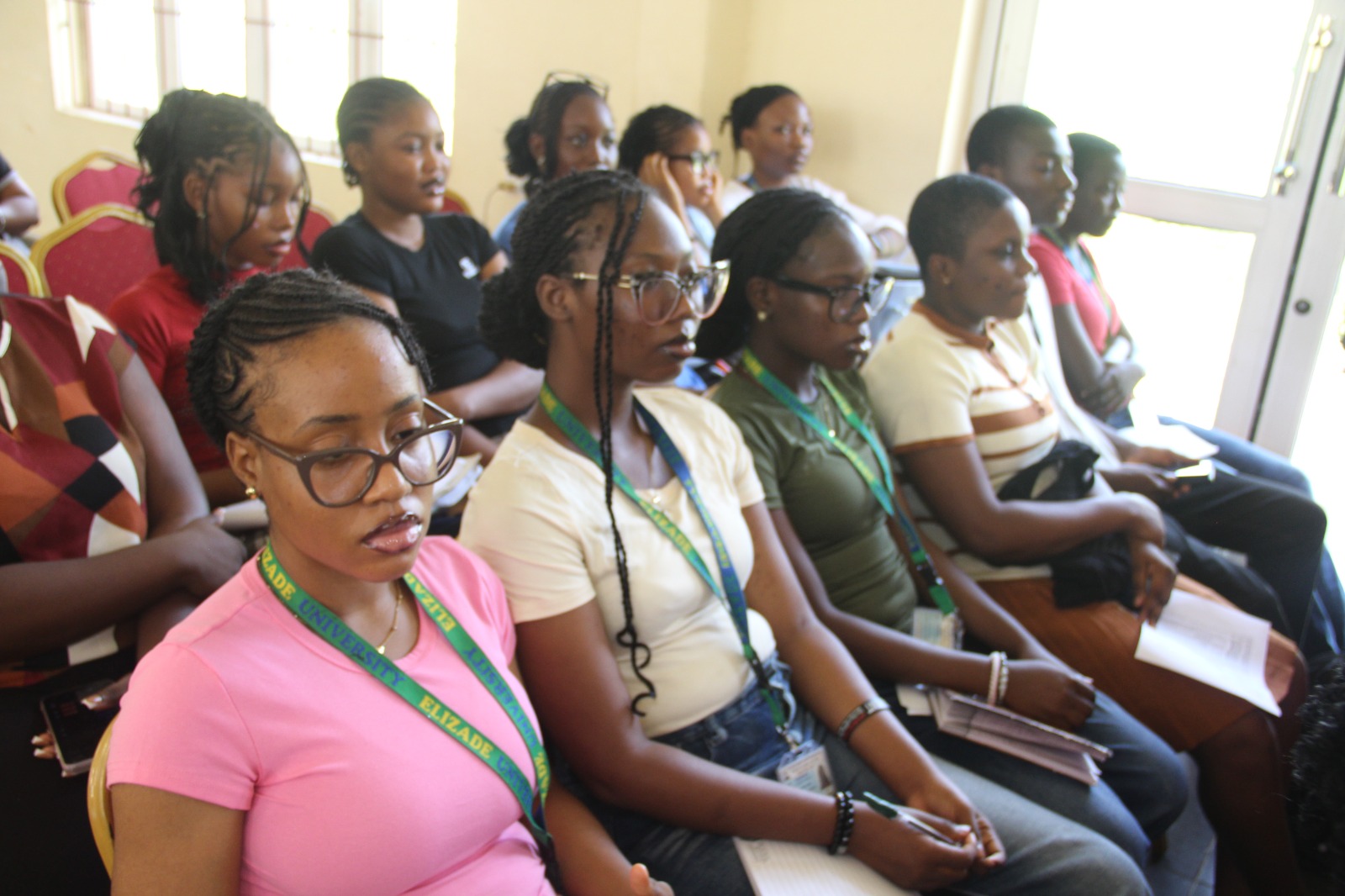
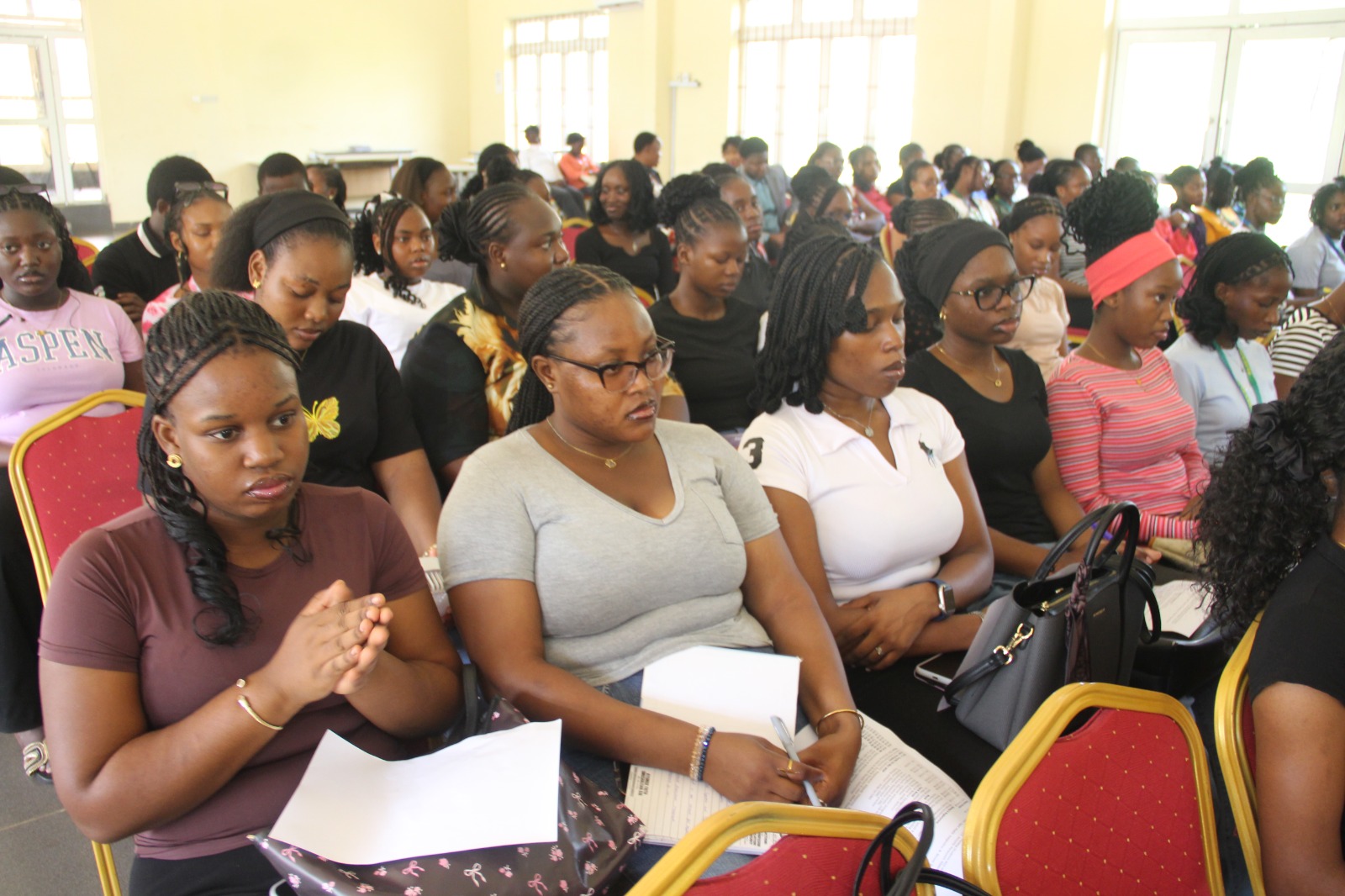
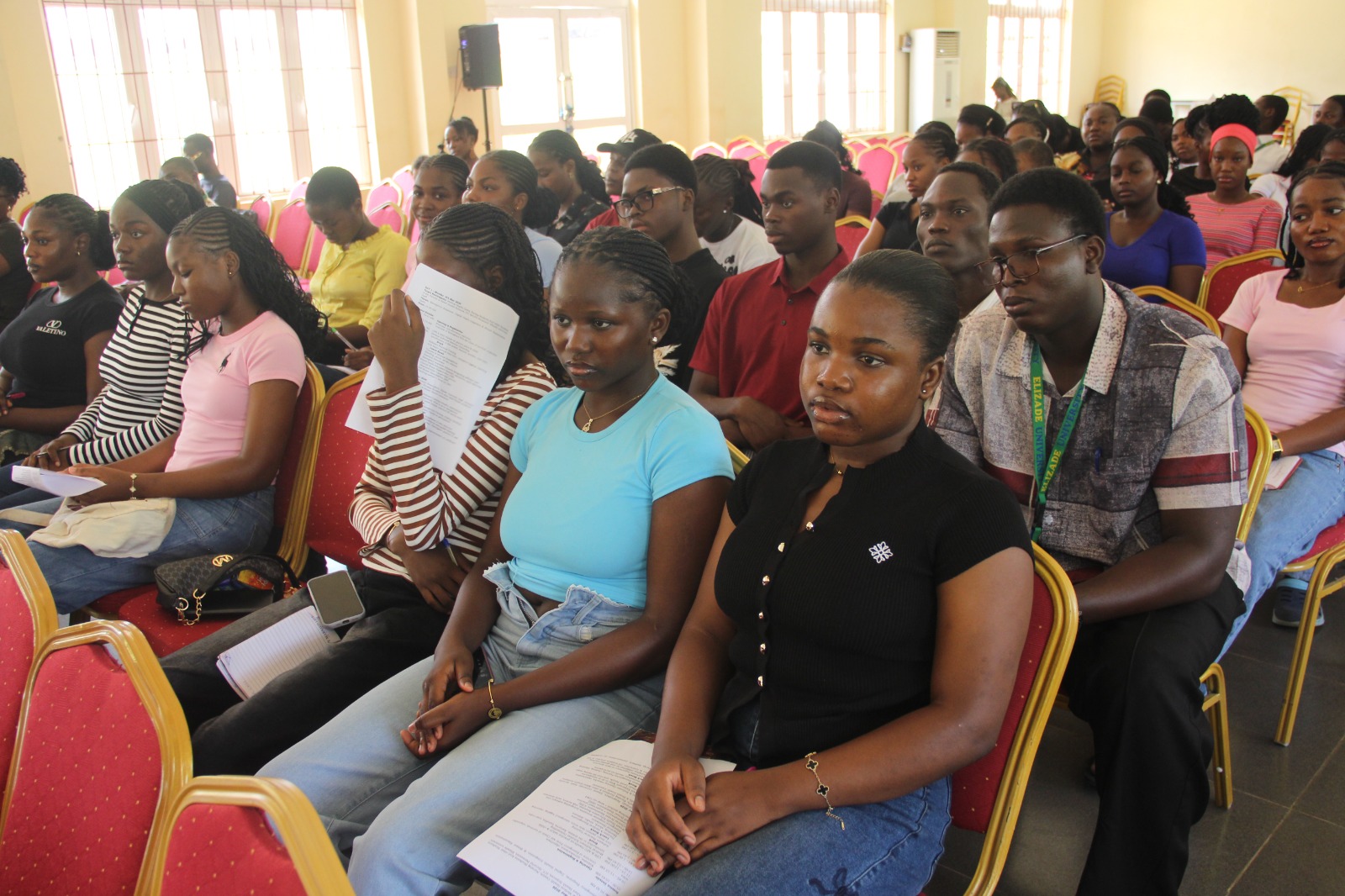
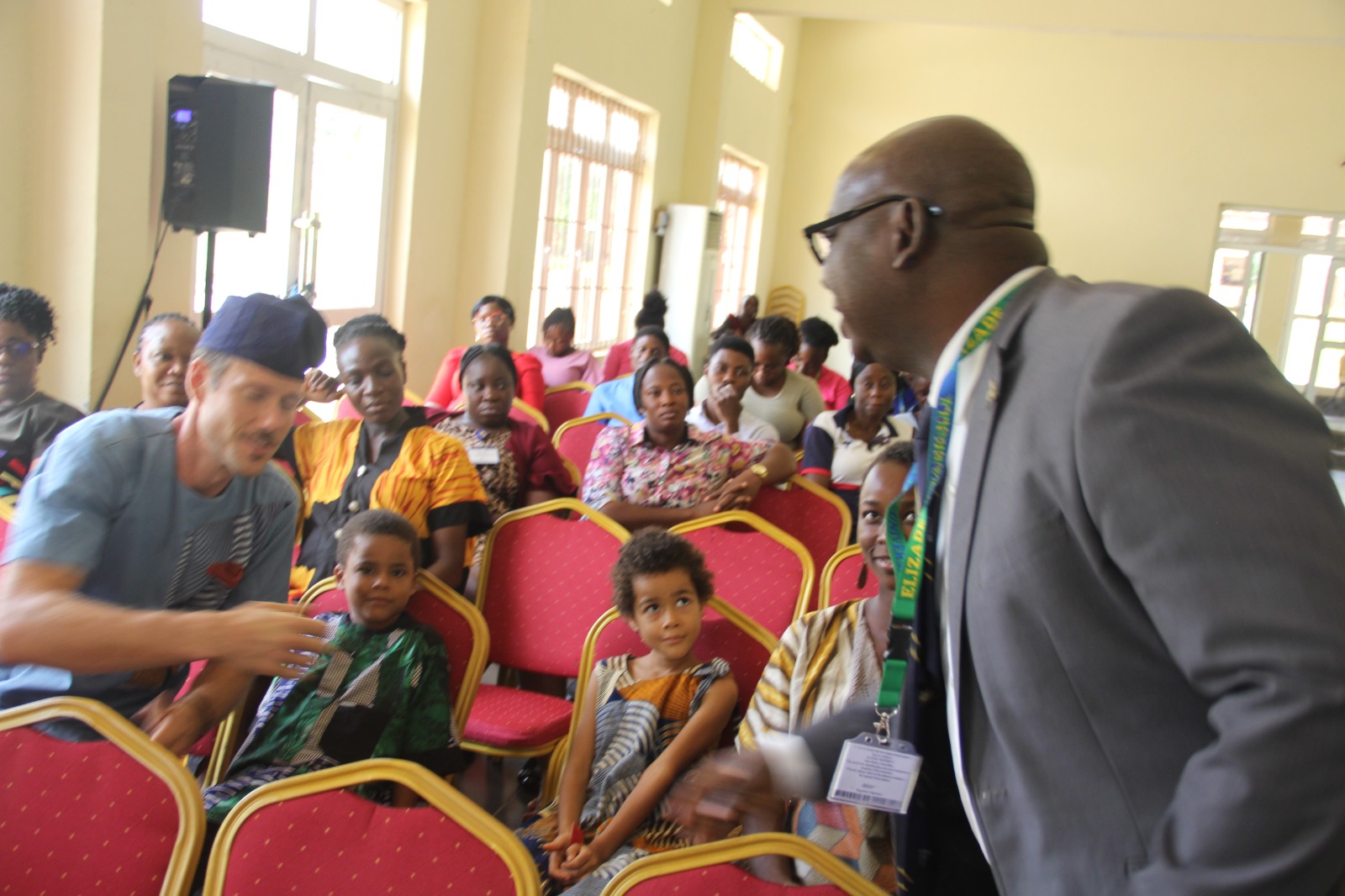
In furtherance of its commitment to promoting a safe, health-conscious and responsive learning environment, Elizade University has organised a comprehensive two-day health training programme for staff, students and selected members of its host community, Ilara-Mokin.
The training programme, which focused on emergency response, digital health integration, basic life-saving skills and breast examination techniques, was designed to equip participants with practical knowledge and hands-on skills capable of saving lives during emergencies.
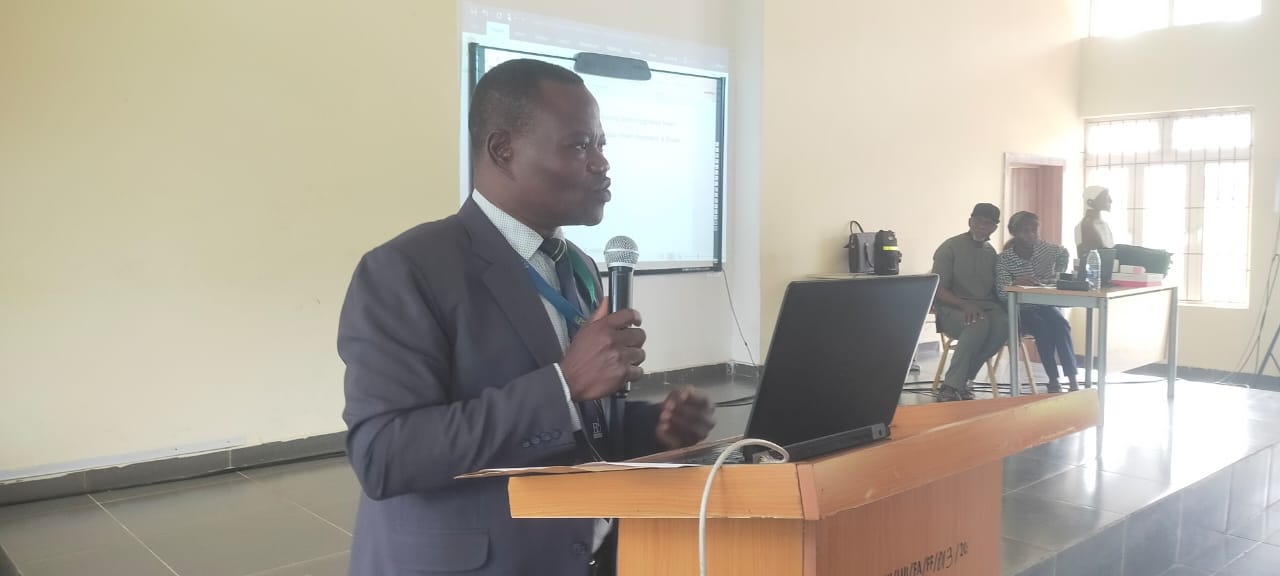
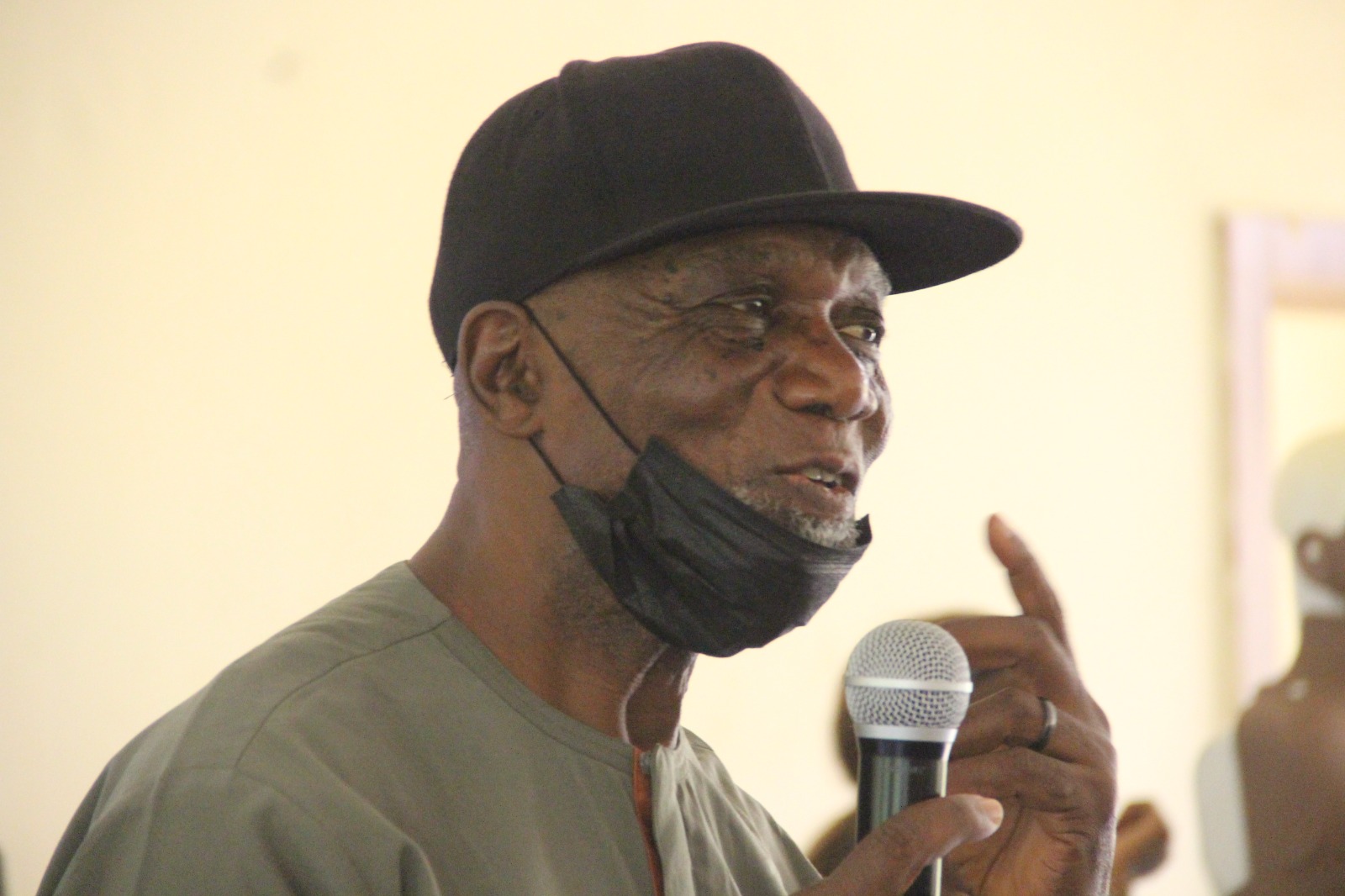
Declaring the workshop open, the Vice-Chancellor of Elizade University, Professor Philip Oguntunde described the initiative as a proactive and sustainable holistic approach by the University in line with the expectations of a 21st-century ivory tower.
Professor Oguntunde commended Dr Oluropo Ojo for conceiving the initiative, noting that the programme reflects the institution’s unwavering commitment to the wellbeing of members of the University community and the society at large.
According to him, universities must go beyond academic excellence by empowering people with relevant life skills capable of addressing contemporary health and safety challenges.
The training was facilitated by Quickspace, a health solutions organisation, whose Team Lead, Mr Segun Ozique, described the programme as indispensable, particularly for members of the University community.
He said the initiative aligns perfectly with Elizade University’s world-class vision and its drive towards integrating technology and practical health education into community development.
As part of the programme, Quickspace donated a breast cancer testing kit to the University Medical Centre to support breast health awareness and early detection initiatives on campus.
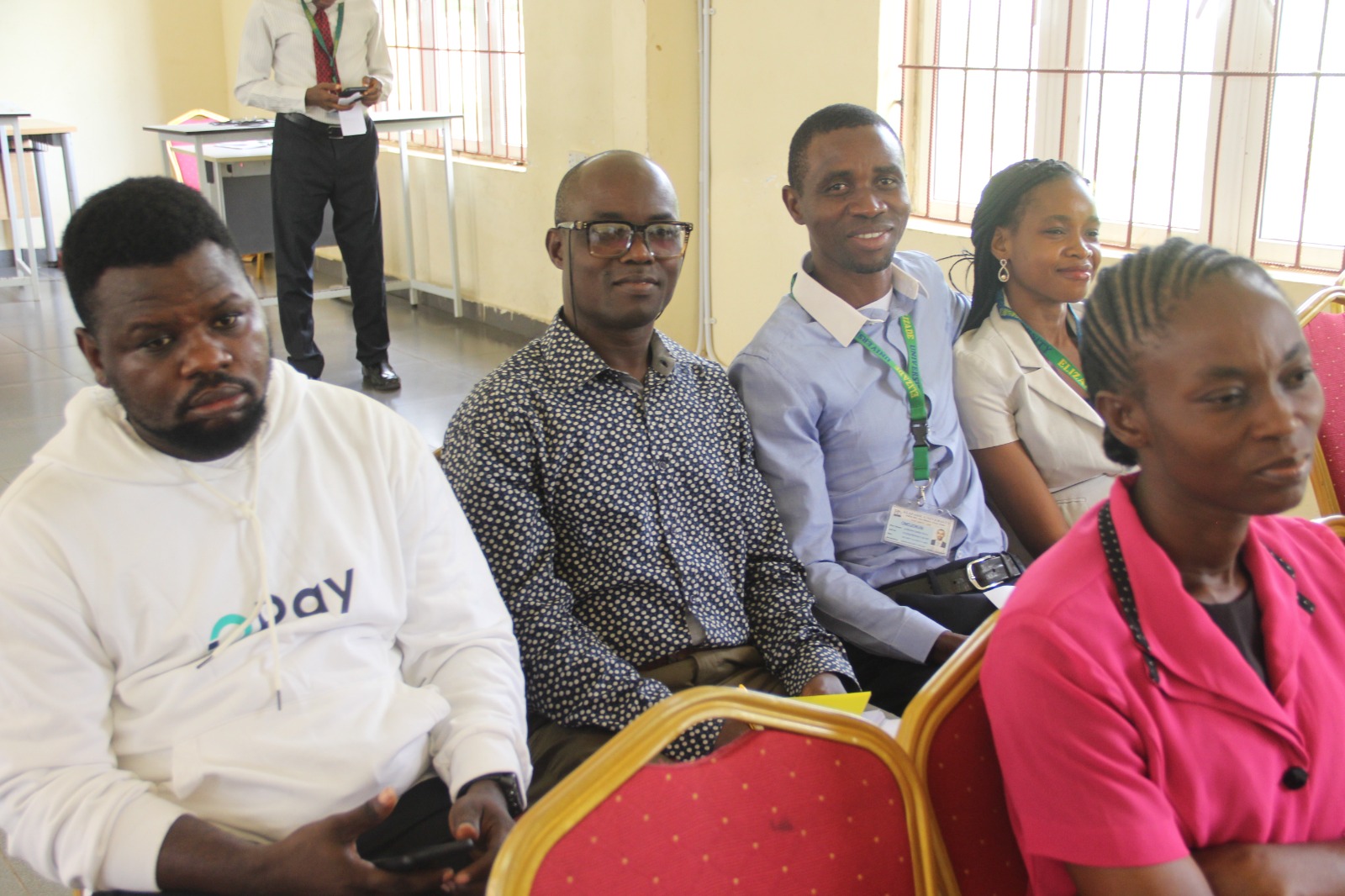
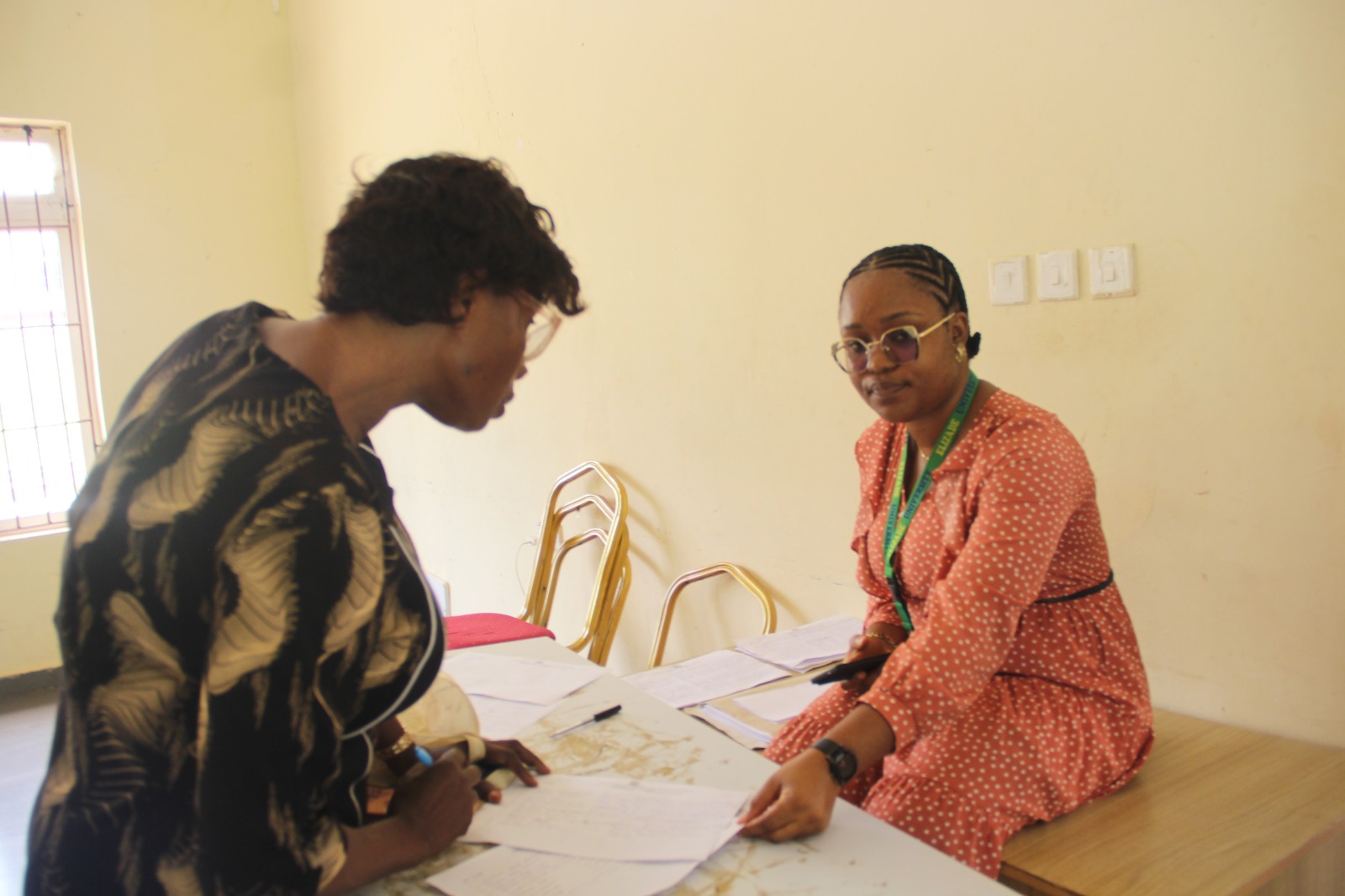
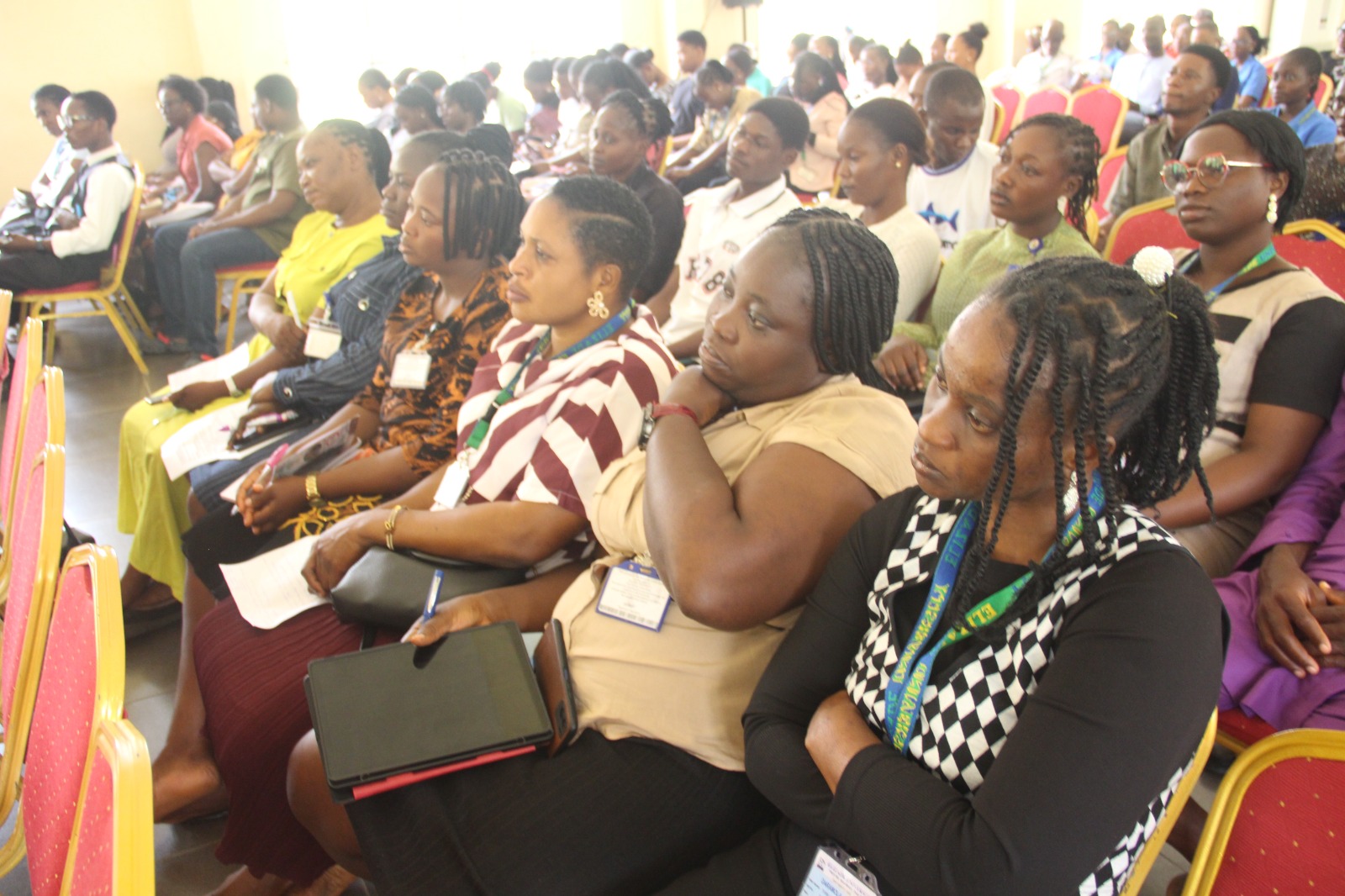
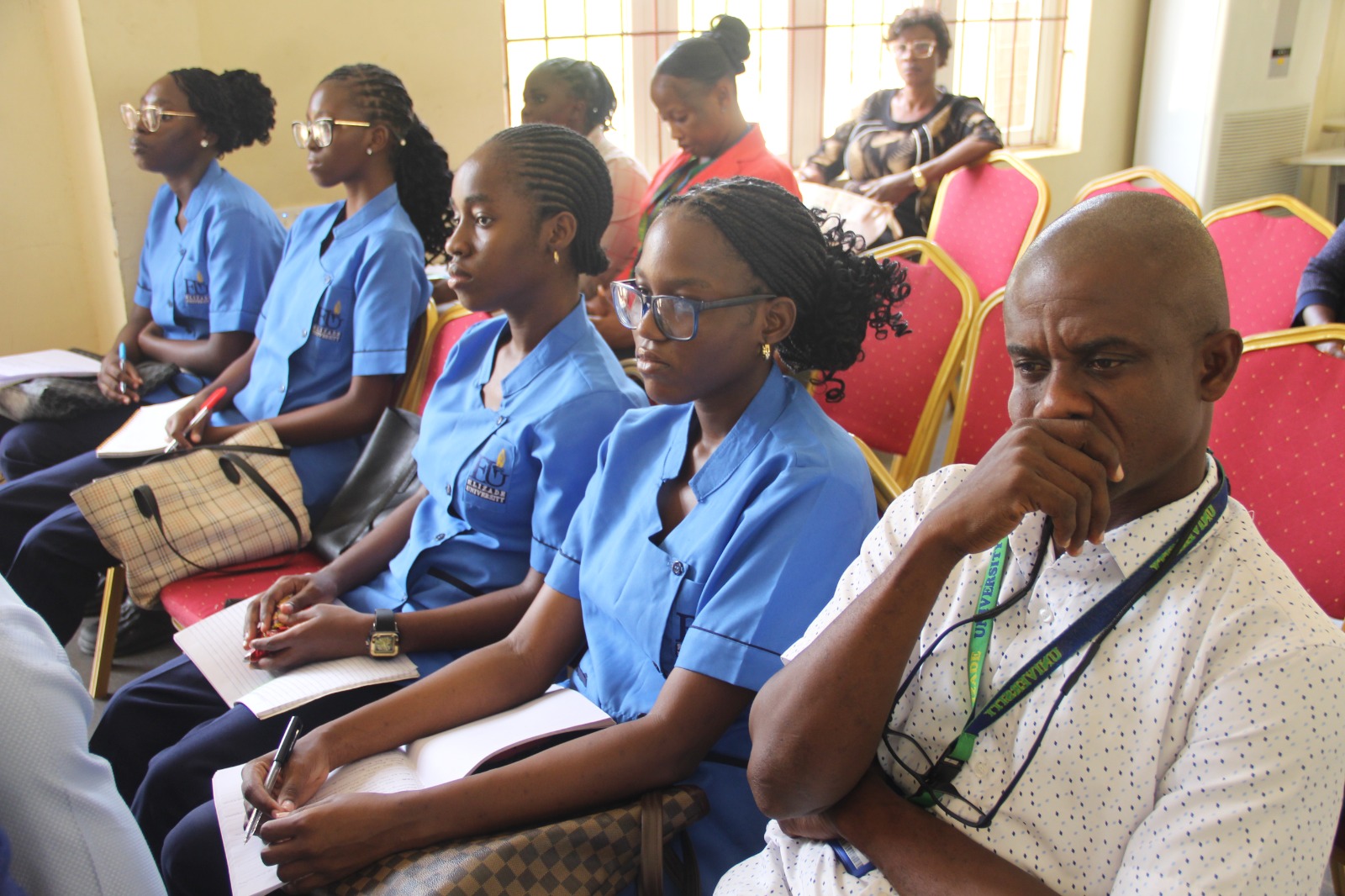
Participants at the training included personnel of the University Medical Health Centre, nursing students and other students from the Faculty of Allied Health Sciences, security personnel, staff members, community responders and other members of the Ilara-Mokin host community.
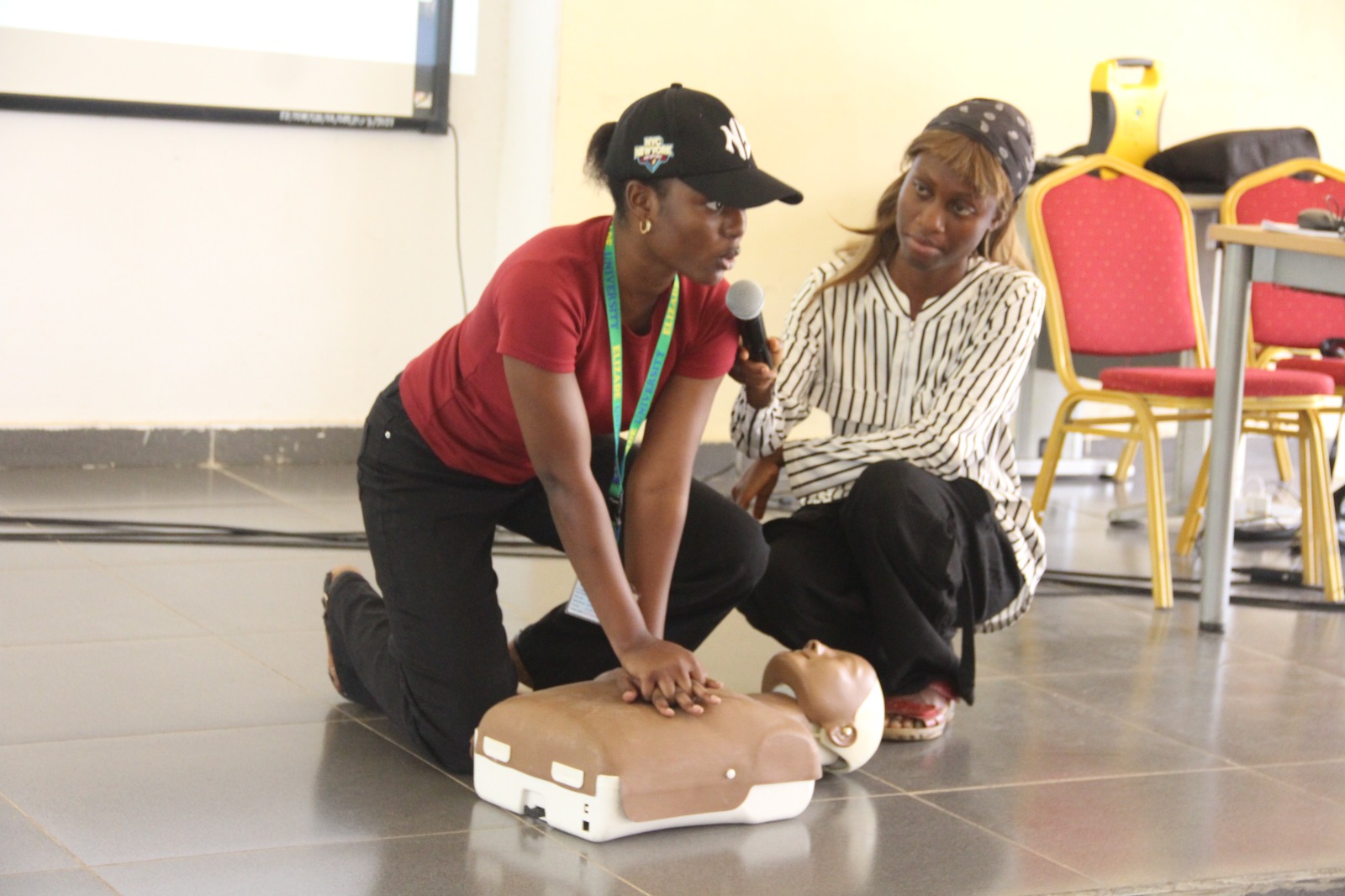
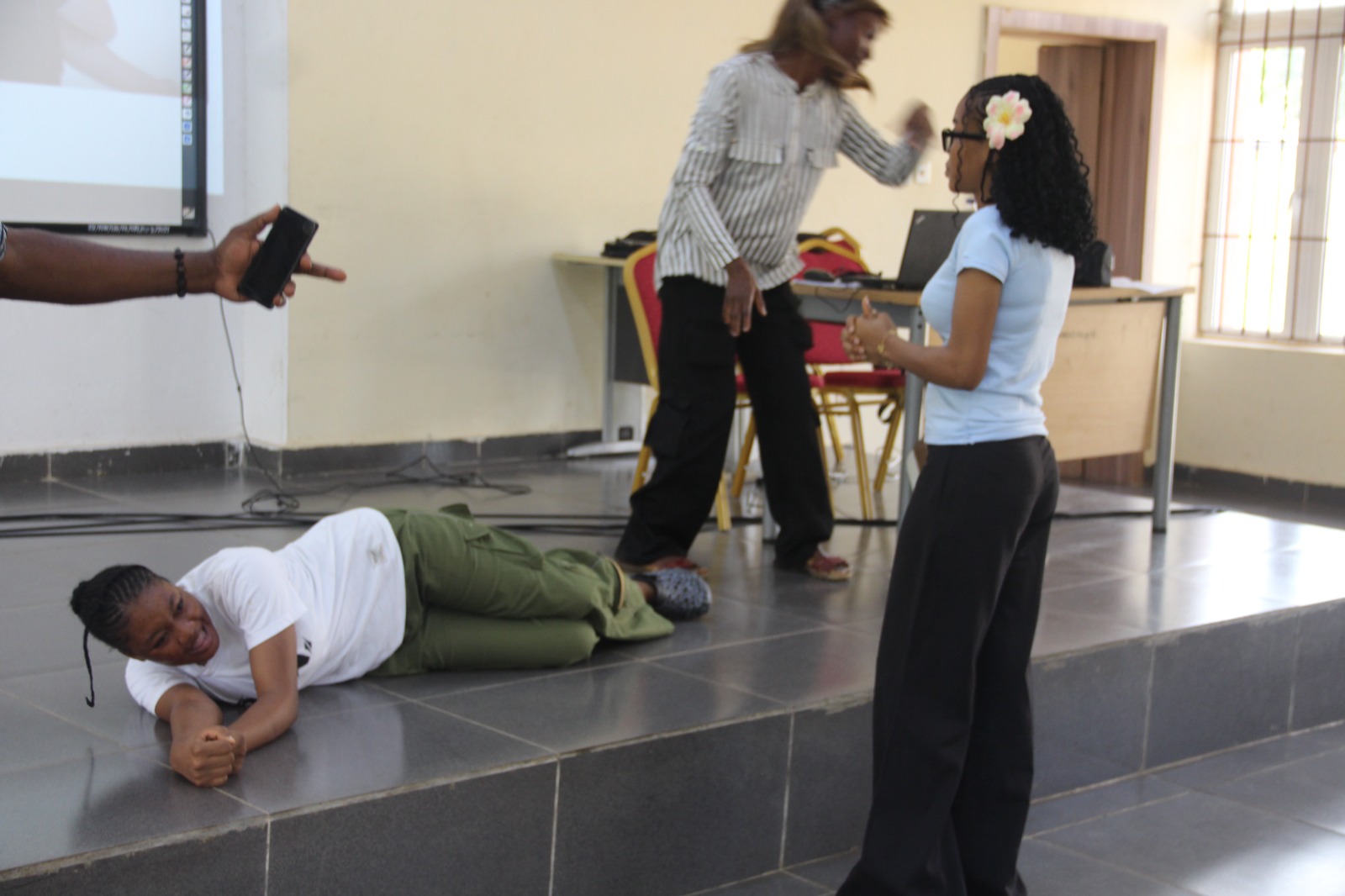
The workshop featured intensive sessions on emergency first aid and the chain of survival, responder roles, CPR and AED hands-on practice for adults and children, trauma and medical emergencies including bleeding, shock, stroke and seizures, as well as practical simulations of emergency response scenarios.
Other highlights of the programme included digital health integration and software practical training involving patient data entry, emergency logging and reporting, alongside breast health education, clinical breast examination demonstrations and self-breast examination techniques.
Participants also underwent practical demonstrations on handling common emergencies such as fainting, choking and bleeding, with facilitators emphasizing the importance of prompt and informed intervention during emergencies.
The University explained that the programme forms part of its broader commitment to building a health-conscious campus community where staff, students and residents of the host community are adequately equipped with life-saving knowledge and emergency response capabilities.
Participants expressed appreciation to the University for providing the rare opportunity to acquire practical skills capable of making meaningful contributions to healthcare delivery, emergency response and community wellbeing both within and outside the campus environment.
Event Gallery
.jpeg)
.jpeg)
.jpeg)
.jpeg)
.jpeg)
.jpeg)
.jpeg)
.jpeg)
.jpeg)
.jpeg)
.jpeg)
.jpeg)
.jpeg)
.jpeg)
.jpeg)
.jpeg)
.jpeg)
.jpeg)
.jpeg)
.jpeg)