Elizade University — Faculties of Engineering and Environmental Sciences building

Elizade University  ·  CEFES

Centre for Environment,
Food systems & Energy Studies

Accelerating environmental resilience through collaborative research — from West African river basins to global policy.

Scroll

01 — Vision & Mission

Vision

To establish the university as a recognized leader in integrated climate, food, and energy research, translating knowledge into tangible tools, policies and outcomes for vulnerable regions and sectors.

Mission

CEFES provides an agile, low-overhead platform that curates a network of affiliated experts, internal and external to the university, and equips them with the infrastructure, grant-seeking capacity, and collaborative environment to win large interdisciplinary grants and deliver real-world impact.

The centre explicitly bridges the gap between scientific discovery and societal implementation.

02 — Thematic Focus

Fourteen research foci.
Four grand challenge clusters.

CEFES concentrates its work on fourteen (14) interconnected research foci, organized into four (4) Grand Challenge Clusters. These are non-negotiable pillars that define the centre’s identity and funding strategy.

Climate-Water Extremes & Early Warning

Cluster A
  • Hydrological Response of Watersheds to Climate Change Impacts
  • Flood Modelling and Risk Assessment in River Basins of West Africa
  • Development of Early Warning Systems for Drought and Flood Forecasting
  • Application of AI/ML & Data Science for Land and Water Resources Planning

Sustainable Food-Energy-Water Systems

Cluster B
  • Food-Energy-Water Nexus in a Changing Climate
  • Green and Renewable Energy Systems and Environmental Sustainability
  • Geoengineering for Adaptation/Mitigation of Climate Change Impacts
  • Application of AI/ML for Precision and Climate-Smart Agriculture

Climate Resilience, Loss & Damage, and Ecological Recovery

Cluster C
  • Climate Change and Sustainability Studies including Climate Action
  • Loss and Damage in Relation to Disaster Risk Management
  • Land and Water Ecosystems, Ecological Restoration and Environmental Protection

Sustainable Livelihoods, Public Health, and Circular Economic Systems

Cluster D
  • Climate Change, Environmental Health, and Public Health Resilience: Heat stress, vector-borne disease, waterborne illness, air quality co-benefits of clean energy, health impacts of flooding and drought
  • Circular Economy, Waste Management, and Resource Recovery: Solid waste, plastic pollution, wastewater recycling, nutrient recovery from organic waste, circular food systems.
  • Livelihoods, Socioeconomic Dimensions, and Just Transitions: Climate-resilient rural livelihoods, poverty and vulnerability, gender and social inclusion, just transitions in energy and agriculture, migration and displacement.

Geographic Emphasis

A niche built on three of West Africa's defining river systems.

Niger Basin Volta Basin Senegal Basin

This geographic focus provides a unique, defensible niche for international climate finance and development funding — the exact regions where global adaptation and early-warning investment is scaling fastest, and where Elizade University's local presence is an asset no distant institution can replicate.

03 — The Operating Model

A flywheel of talent, infrastructure, and impact.

CEFES operates as a hybrid of four proven centre archetypes, creating a self-reinforcing flywheel of talents, resources, and impacts.

Fellowship Model

A selective, non-salaried affiliation programme. Experts receive university credentials and grant-submission rights. Curation ensures quality; renewable terms ensure activity.

Lab-as-a-Service

Shared physical infrastructure: a hydro-climate modeling lab, an AI/decision theater, an early warning prototyping space, and a policy media studio. Affiliates pay a modest fee or costs are covered by grants.

Consortium Builder

Proactive team formation around Grand Challenge Clusters. A dedicated Research Development Manager scouts calls, matches experts across disciplines, and manages complex proposals through a pre-agreed indirect cost sharing model.

Policy & Practice Incubator

Explicit focus on non-academic outcomes. Translates research into operational early warning dashboards, policy briefs for ECOWAS and UNFCCC, open-source AI tools for farmers, and restoration protocols adopted by national agencies.

04 — Measuring What Matters

Beyond the publication count.

CEFES rejects a narrow publication-count metric. Success is tracked across four dimensions:

Research Excellence

  • Grants awarded ($3M+ by Year 3)
  • Publications
  • Students supported

Policy & Practice

  • Operational early warning systems piloted in at least one basin
  • Policy briefs cited in UNFCCC or ECOWAS processes
  • Agency partnerships

Public Tools & Engagement

  • Open-source AI crop/water models released
  • Flood forecasting dashboards live
  • Podcast and media productions

Community & Capacity

  • 40+ active affiliates
  • 15+ student interns placed
  • West African practitioners embedded

Each year, CEFES produces an impact report that pairs these metrics with narrative stories of tangible change, the startup incubated, the ordinance informed, the watershed restoration plan adopted.

05 — Why Now, Why CEFES

International climate finance is scaling rapidly, with billions directed toward adaptation, early warning, and loss and damage. Funding agencies increasingly require interdisciplinary, practice-engaged teams — and CEFES is purpose-built for this moment.

A low-cost, high-agility platform that can absorb diverse experts, target multiple funding streams simultaneously, and deliver outcomes that span from the cloud to the field. For the cost of a single postdoctoral fellow, Elizade University opens a front door to millions in grants, elevated global visibility, and a genuine contribution to the planet's most pressing challenges.

06 — People

The affiliates behind the centre.

CEFES is led by a small core team and a curated, cross-disciplinary fellowship network spanning hydrology, energy systems, public health, and policy.


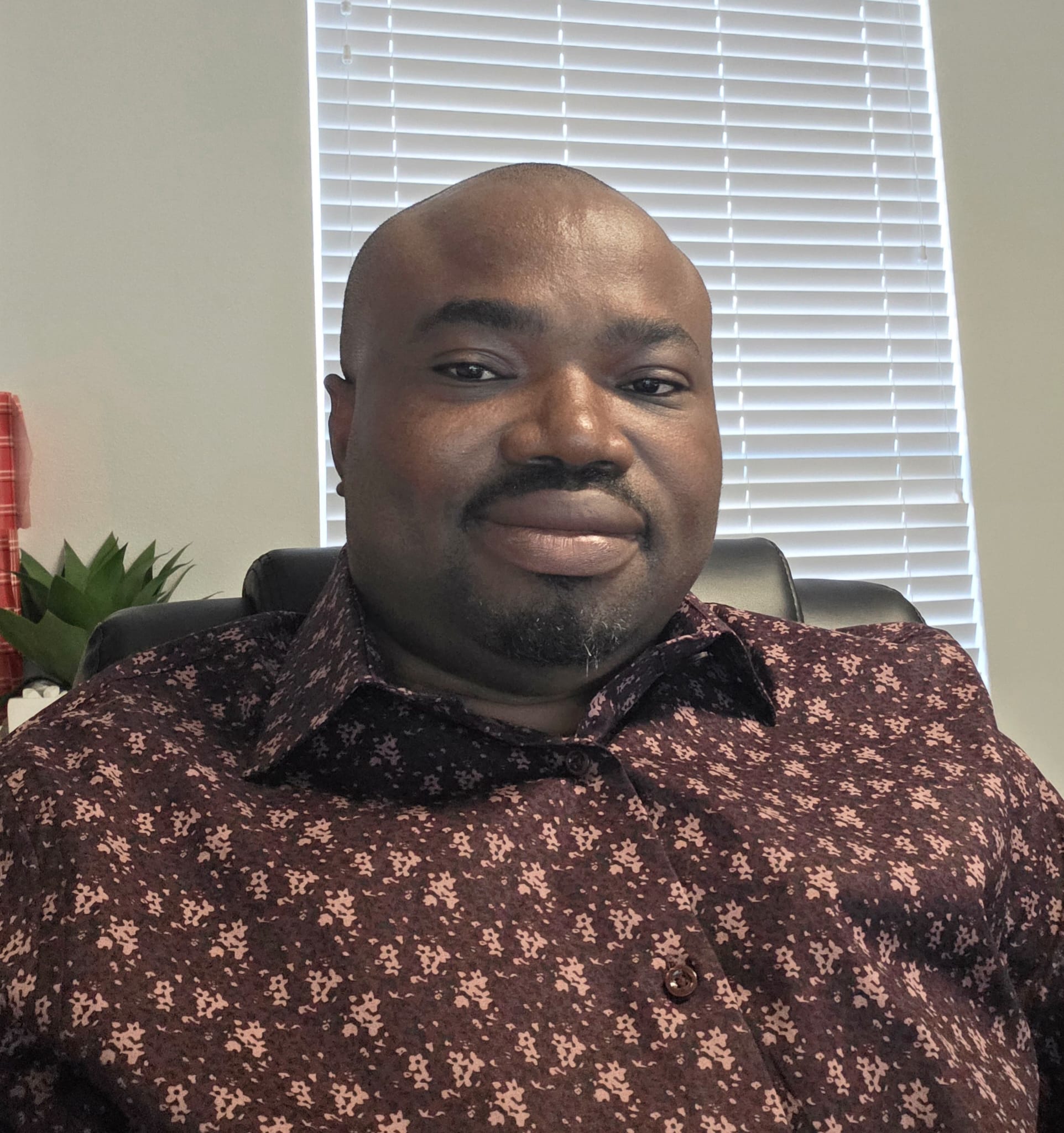
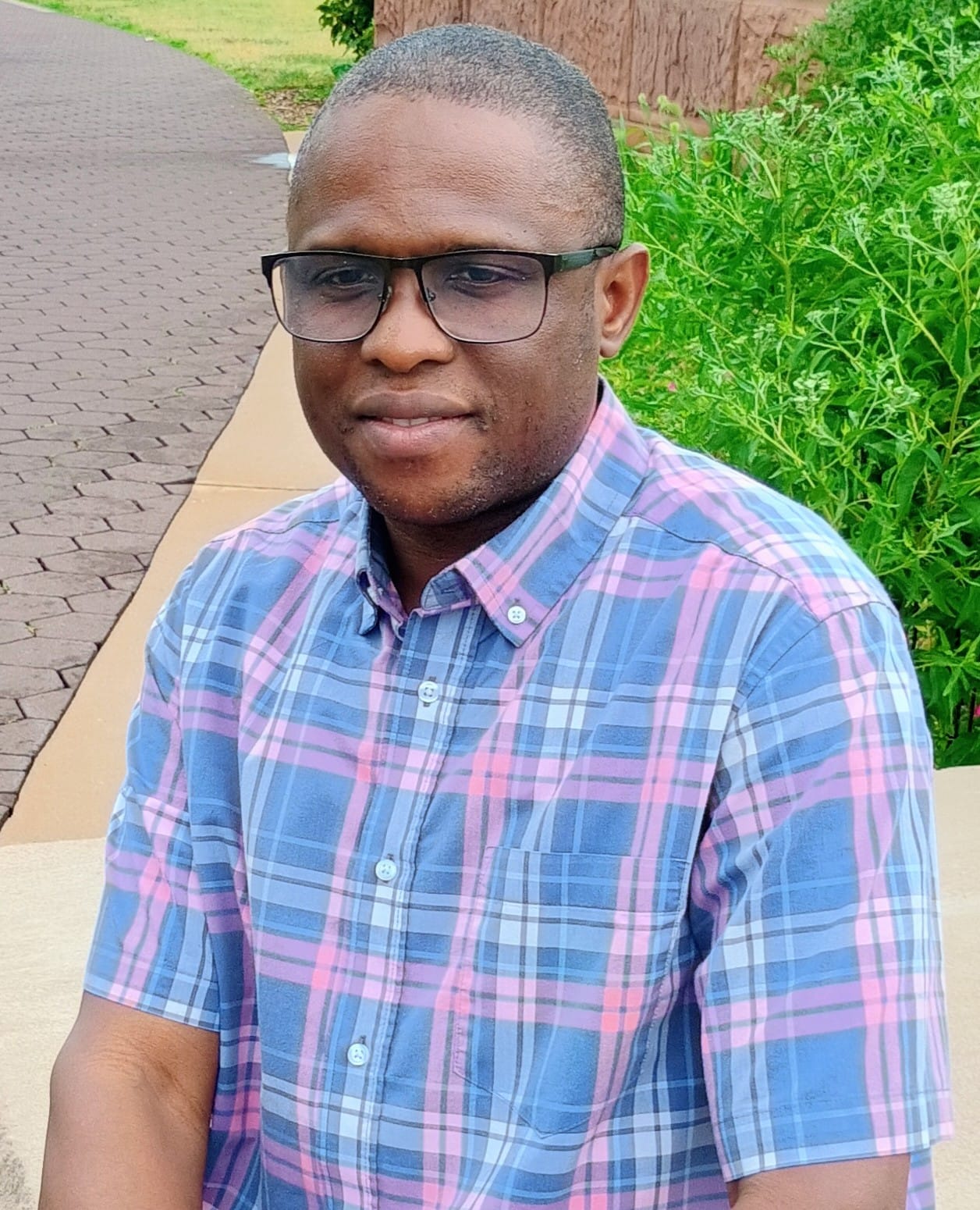
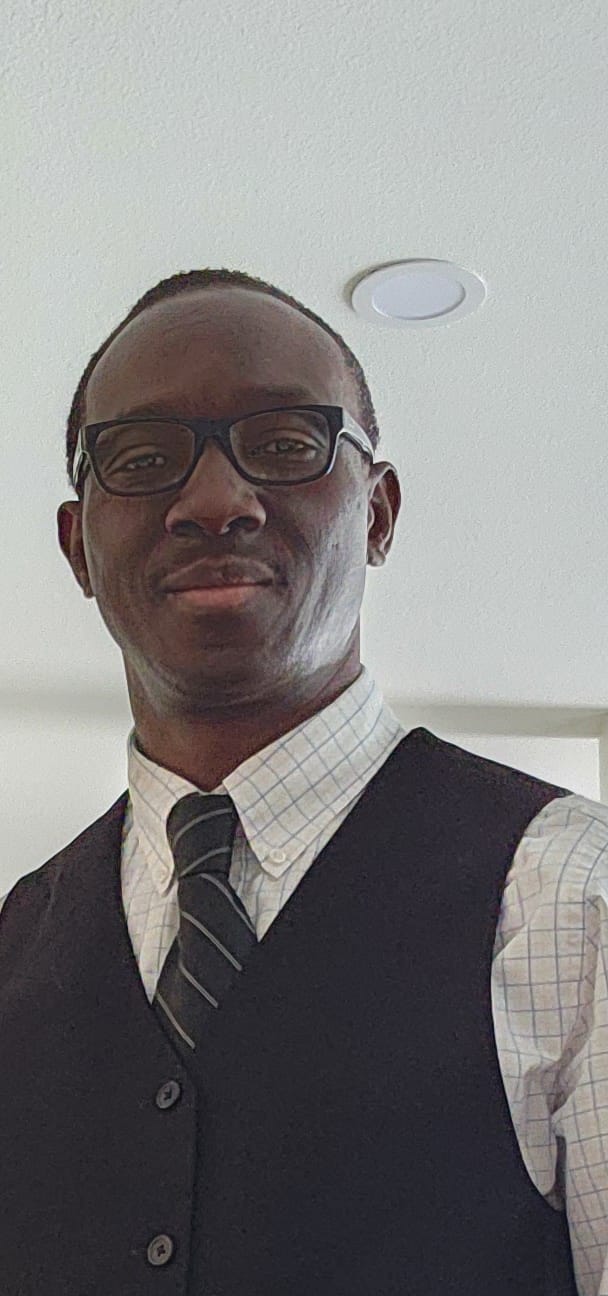
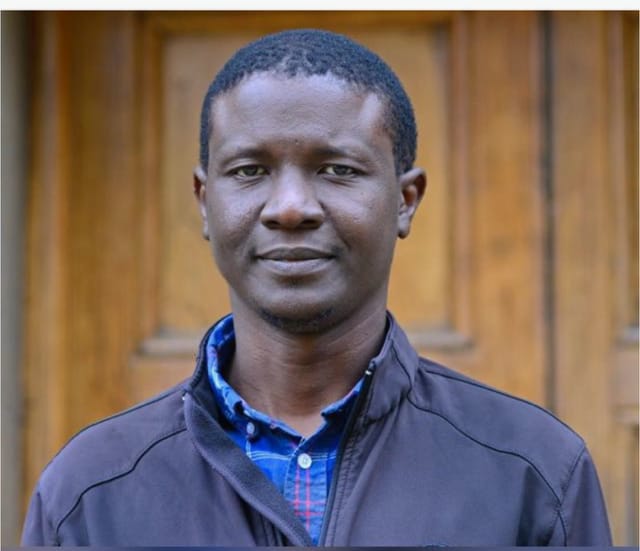
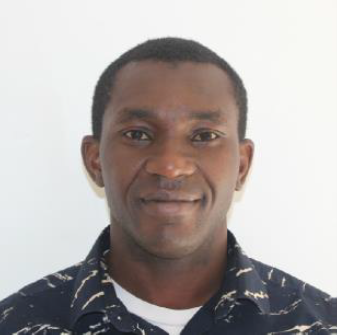
Prof. Philip Oguntunde

Prof. Philip Oguntunde, FAAS

Environmental Hydrology & Water Engineering Expert

Renowned environmental hydrologist specializing in the water–climate–agriculture nexus, with extensive international research experience, over 120 scientific publications, and a distinguished record of advancing environmental sustainability, research capacity, and higher education across Africa.

Read Full Profile →
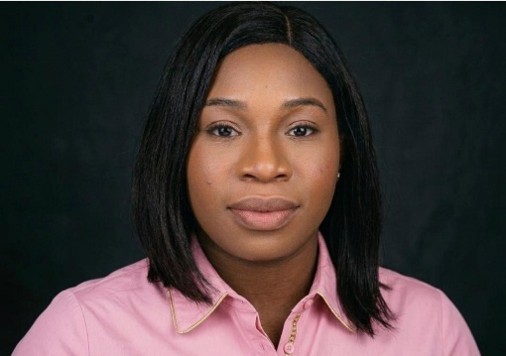
Christiana Funmilola Olusegun

Dr. Christiana Funmilola Olusegun

Climate Scientist & Geospatial Systems Architect

Specialises in the water–climate–agriculture nexus, turning complex Earth data into decision-ready intelligence through Python-based, cloud-native geospatial pipelines.

Read Full Profile →
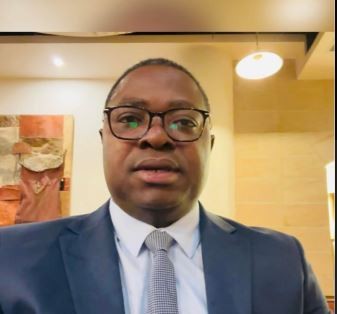
Dr. Gbenga J. Abiodun

Dr. Gbenga J. Abiodun

Applied Mathematician — Climate & Health Modelling

PhD, University of the Western Cape. Fogarty GloCal Fellow with 35+ peer-reviewed publications on mathematical modelling, AI, and infectious-disease early-warning systems across Africa.

Read Full Profile →
Dr. Oladapo Michael Olagbegi

Dr. Oladapo Michael Olagbegi

Physiotherapist & Public Health Researcher

Honorary Research Fellow, University of KwaZulu-Natal. PhD in Physiotherapy and MPH; research spans rehabilitation, occupational health, epidemiology, and climate-sensitive health impacts.

Read Full Profile →
Dr. Abayomi A. Abatan

Dr. Abayomi A. Abatan

Climate Scientist — Risk & Extreme Events

30+ years studying climate risk, drought, and heatwaves. PhD, Iowa State University; postdoctoral research at Edinburgh and Exeter. Published across Climate Dynamics, Climatic Change, and more.

Read Full Profile →
Dr. Shakirudeen Lawal

Dr. Shakirudeen Lawal

Eco-Climatologist

PhD, University of Cape Town; MPhil, Cambridge. Studies drought impacts on terrestrial ecosystems. Contributing Author, IPCC AR7 (WGII); 15+ peer-reviewed publications.

Read Full Profile →
Dr. Temitope S. Egbebiyi

Dr. Temitope S. Egbebiyi

Research Fellow, Cornell University

Research Associate at Elizade University and ACDI/UCT. Regional climate modelling, crop modelling, and adaptation strategy. Lead Author, IPCC AR7; Newton and NRF Fellow.

Read Full Profile →
Dr. Toju Babalola

Dr. Toju Esther Babalola

Senior Lecturer - Environmental Engineer (Water & Climate Adaptation)

Senior Lecturer, Federal University Oye-Ekiti. Climate Science Adaptation Expert supporting Green Climate Fund and Adaptation Fund investment projects across Africa.

Read Full Profile →
Patrick Tolani, PhD

Patrick Tolani, PhD

CEO, Community Energy Social Enterprise Ltd.

25+ years in renewable energy, public policy, and international development, including roles with UNDP and the Institute for Oil, Gas, Energy & Sustainable Development.

Read Full Profile →
Dr. Akinwumiju Akinola Shola

Dr. Akinwumiju Akinola Shola

Geospatial Scientist — Hazard & Risk Assessment

50+ publications (h-index 19), four international research grants including a World Bank / ECOWAS Disaster Risk Reduction programme. Fellow, Royal Geographical Society.

Read Full Profile →
Dr. Akinwale T. Ogunrinde

Dr. Akinwale T. Ogunrinde

Climate & Hydrology Scientist

Associate Researcher, Chinese Academy of Sciences. 40+ publications on drought dynamics and renewable-energy resilience across Africa and Asia.

Read Full Profile →
Dr. Fola-Matthews Omolara

Dr. Fola-Matthews Omolara

Marine Biologist and conservation practitioner

Chief Research Officer, Africa Coordinator for Minorities in Shark Sciences (MISS), Rising Tide Mentorship Program Fellow and the co-founder of BlueTides Connect.

Read Full Profile →
Dr David Olufemi Awolala

Dr David Olufemi Awolala

Associate Professor of Climate Change and Agricultural Economics

Country Director for Nigeria at the African Group of Negotiators Experts Support (AGNES) Kenya, past Director, Climate Policy and Technical Services.

Read Full Profile →
Dr Oluwafunmilola Eyeoyibo

Dr Oluwafunmilola Eyeoyibo

Senior Environmental and Social Safeguards Specialist

Senior Research Associate at the Climate Centre of Elizade University,Program Coordinator at the African Green Growth and Development Forum (AGDF), and Senior Consultant at Adonai Climate Resilience and Environmental Solutions (ACRES).

Read Full Profile →

07 — Get Involved

Three ways in.

Whether you fund research, conduct it, or want to be trained in it — there is a defined track for working with CEFES.

Funders & Partners

Fund a research pillar

Co-design a call, sponsor a lab, or join a consortium targeting climate-finance streams across West Africa's river basins.

Start a conversation
Researchers & Fellows

Apply for affiliation

Join a non-salaried fellowship with university credentials, grant-submission rights, and access to shared lab infrastructure.

View fellowship terms
Students

Intern or study with CEFES

Work alongside affiliates on live projects — from early-warning dashboards to policy briefs headed for ECOWAS and UNFCCC.

See student pathways

Ready to talk about what CEFES could do together?

For the cost of a single postdoctoral fellow, this centre opens a front door to millions in grants and a genuine contribution to the planet's most pressing challenges. Reach the CEFES office directly.